There is a heavenly fragrance in the air from the bouquet of white blossoms in our yard and neighborhood. It lures me outside several times each day just to inhale the combined perfume of magnolias, gardenias, blackberry blossoms, mock orange flowers, laurel blooms, honeysuckle, roses, clover, apple blossoms, lily of the valley, alliums, and moonflower. There are other beautiful, fragrant, and colorful flowers in the garden, but this season, the whites have definitely dominated this aromatic landscape.
Gallery of white blossoms in our yard
Gardenias: Double and single petals


 Magnolia
 Honeysuckle


 Mock Orange

 Moonflower and Clover

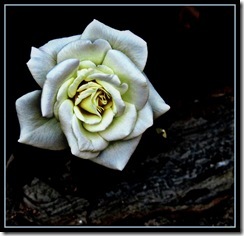
 Blackberry and White Rose

 Lily of the Valley

 Alliums

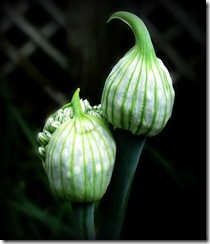
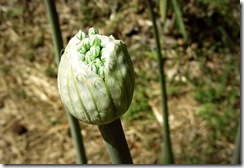


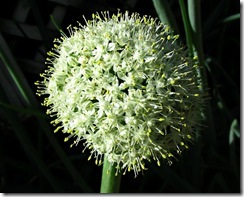


 Not as fragrant, but “small and white, clean and bright…”
Dogwood blossoms
Not as fragrant, but “small and white, clean and bright…”
Dogwood blossoms
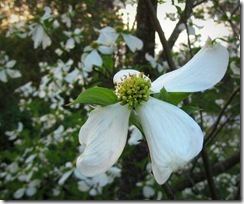
 Bradford Pear Blossoms
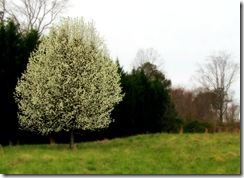


 Yoshino Cherry and Various Trees in the Pasture
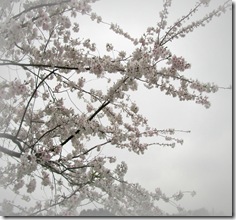
 Cosmos and Blueberry

 Laurel


Hosta and Wild Aster

 Ranunculus


 And a few shots from last year…
Gourd Blossom and Flower
And a few shots from last year…
Gourd Blossom and Flower

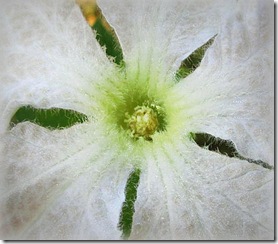 Azalea Buds Opening

 Various White Treasures
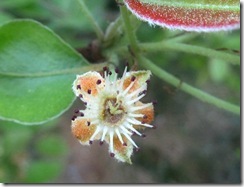


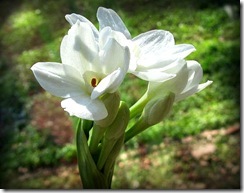
 Indoor Whites from Late Winter



As my summer garden winds down for the season, I am re-reading the book Tips for the Lazy Gardener by Linda Tilgner. Though still tending to the garden, I have been a lazy blogger this month, waiting until the last day of August to post. I decided I would share pictures to summarize the past few weeks in the garden. This has been my favorite summer for gardening – God and Mother Nature have provided fresh fruits and vegetables to supplement every dinner for the past 3 months and my family and I are so thankful!
My husband built this ripening shelf out of recycled closet shelves and wood. It has been a great counter-space saver in the kitchen and it also keeps fruit flies outside. It is very convenient to walk outside the kitchen door into our “produce pantry" while making dinner!
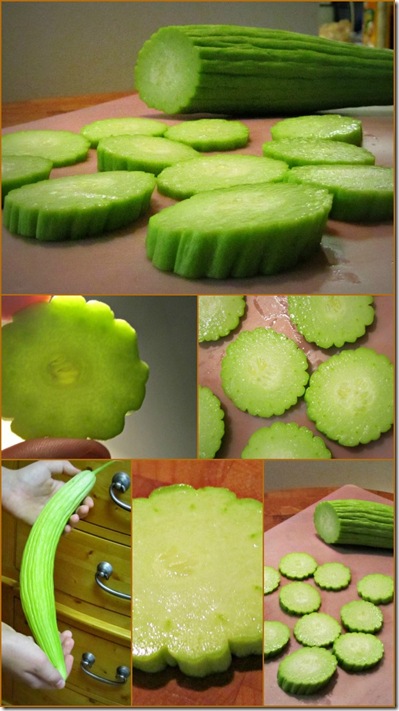
 Being a musician, I thought this was an efficient way to measure vegetables. This one was almost 3 octaves long!
 I would definitely grow Armenian yard-long cucumbers next year. My family loved the crunchy texture and mild taste, and I loved how fast-growing and prolific they were in the garden.
 I had an abundance of kohl rabi and radishes and decided to use them in egg rolls – they were delicious!
 Romaine lettuce grew well in our self-watering bins.
 Simpson and iceberg lettuce with cukes, tomatoes, and radishes – all from the bins.
 Our oriental pear tree was productive this year – we decided to try canning the surplus.
 Watching our step as we pick pears off the tree…


 So far, so good!!


 Radishes of many shapes and colors
 Asparagus Beans – wonderful in a stir-fry!
 More from the garden…still waiting for the bigger watermelons to ripen.

 It was a great summer in the garden...now onto some fall planting. We are waiting for potatoes, onions, gourds (decorative), carrots, and pumpkins to mature so we can plant some cold weather crops in those spaces. Hope you enjoyed the pictures from Part 1: Food; watch for upcoming posts in the next few weeks on flowers, birds, and bugs.
Enjoy September, and blessings to you!
~Karen
Tips for the Lazy Gardener
It was a great summer in the garden...now onto some fall planting. We are waiting for potatoes, onions, gourds (decorative), carrots, and pumpkins to mature so we can plant some cold weather crops in those spaces. Hope you enjoyed the pictures from Part 1: Food; watch for upcoming posts in the next few weeks on flowers, birds, and bugs.
Enjoy September, and blessings to you!
~Karen
Tips for the Lazy Gardener
My apologies for no blog post in June – a resistant pneumonia went through our family with fevers hitting 105, dehydration, and a hospital stay. My daughter suggested that I write a retroactive blog for June and title it Been Coughing! Thankfully, we are all doing much better now. Through it all, I was pleased to be able to water our gardens (within county restrictions) to keep everything growing. And grow it did, especially the weeds! They have actually thrived in the 108-degree Fahrenheit weather we have had this month, not to mention our severe drought conditions. (Since writing this a few days ago, we have been blessed with a couple of days of rain – the plants are grateful!)


 I was happy to see this sight on one of our hanging baskets of tomatoes:
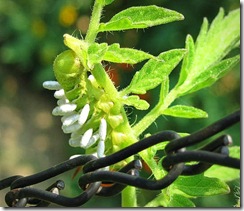
 One of the best things an organic tomato grower can hope for is a hornworm full of cocoons from the small braconid wasp. The larvae hatch from wasp eggs laid on the hornworm and feed on the inside of the hornworm until the wasps pupate. If you see a hornworm covered with white projections, it is best to leave the hornworm where it is and allow the wasps to emerge in a few days. The wasps will kill the hornworm and will parasitize other hornworms in the garden – a great benefit if you have been planting tomato crops in succession.
 So far, everything is doing well with no chemicals or commercial fertilizers – just fish water, rain water, and compost!
Blessings on your gardens,
Karen
So far, everything is doing well with no chemicals or commercial fertilizers – just fish water, rain water, and compost!
Blessings on your gardens,
Karen


